

 See My Latest Article on HelloNation
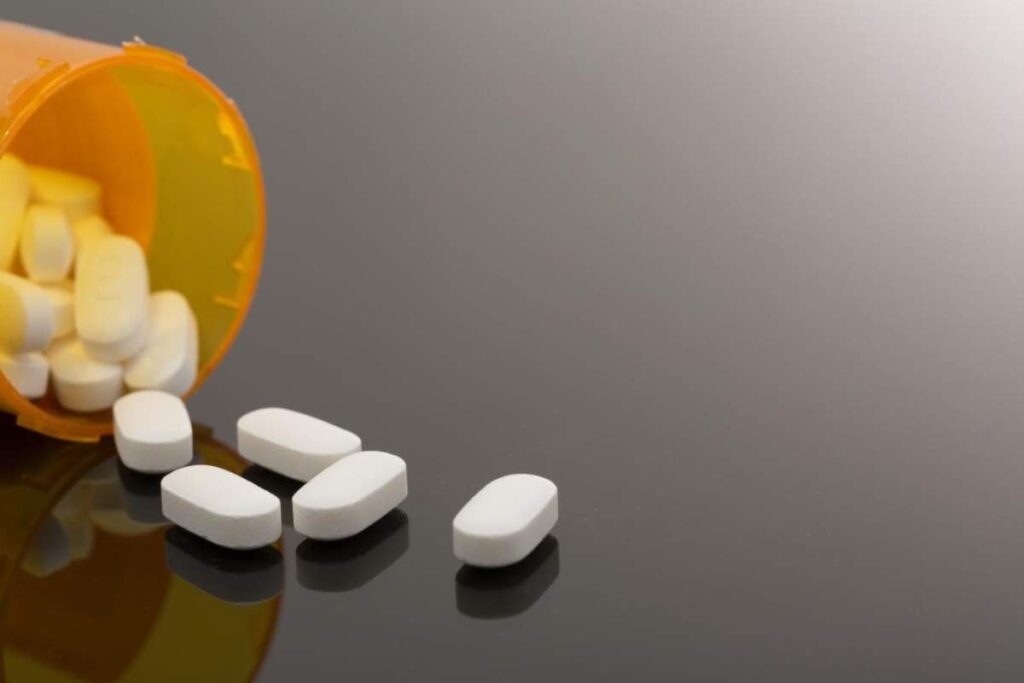
Alcohol can change how a medication works, and some medications can change how alcohol affects the body. The result may be stronger drowsiness, dizziness, stomach bleeding, breathing problems, liver injury, changes in blood pressure, or reduced treatment effectiveness. The safest choice is to check the medication label and ask a pharmacist before drinking. ([niaaa.nih.gov](https://www.niaaa.nih.gov/health-professionals-communities/core-resource-on-alcohol/alcohol-medication-interactions-potentially-dangerous-mixes?utm_source=openai))
Why can alcohol and medicine be a risky combination?
Alcohol and medications can interact in several ways. Alcohol may slow the central nervous system, alter how the liver processes a drug, or increase the amount of medication circulating in the bloodstream. A medicine can also affect how quickly alcohol is absorbed or broken down. These changes may occur even when alcohol and the medication are taken hours apart. ([niaaa.nih.gov](https://www.niaaa.nih.gov/health-professionals-communities/core-resource-on-alcohol/alcohol-medication-interactions-potentially-dangerous-mixes?utm_source=openai))
A person may not notice a serious interaction immediately. Feeling unusually sleepy, unsteady, confused, faint, or nauseated can be an early warning sign. Driving, using tools, climbing ladders, or handling outdoor equipment becomes especially hazardous when alcohol is combined with a medicine that causes drowsiness or slower reactions.
Which medications are most concerning with alcohol?
The risk depends on the specific medicine, dose, health condition, and amount of alcohol. Several medication groups deserve particular caution.
Opioids and sedatives can suppress breathing. Prescription opioids and benzodiazepines used for anxiety or panic may have stronger-than-expected effects when combined with alcohol. This can lead to extreme sleepiness, loss of consciousness, slowed breathing, overdose, or death. Sleep medicines such as zolpidem and similar products can also increase memory problems, falls, unusual nighttime behavior, and impaired coordination. ([niaaa.nih.gov](https://www.niaaa.nih.gov/health-professionals-communities/core-resource-on-alcohol/alcohol-medication-interactions-potentially-dangerous-mixes?utm_source=openai))
Antihistamines and cold medicines may cause drowsiness, dizziness, or impaired concentration. Alcohol can intensify these effects. This includes some allergy medicines and cough or cold products containing dextromethorphan. Combination products may contain several active ingredients, so reading the entire Drug Facts label matters. ([fda.gov](https://www.fda.gov/drugs/resources-drugs/drug-interactions-what-you-should-know?utm_source=openai))
Pain relievers have different alcohol-related risks:
- Ibuprofen, naproxen, aspirin, and other nonsteroidal anti-inflammatory drugs can increase the risk of stomach irritation, ulcers, and gastrointestinal bleeding when combined with alcohol.
- Acetaminophen can contribute to liver injury, particularly with repeated or heavy alcohol use, high doses, or multiple products that contain acetaminophen. The exact amount and timing that creates danger varies, so the product label should be followed carefully. ([niaaa.nih.gov](https://www.niaaa.nih.gov/health-professionals-communities/core-resource-on-alcohol/alcohol-medication-interactions-potentially-dangerous-mixes?utm_source=openai))
Blood thinners and heart or blood-pressure medicines may produce more dizziness, fainting, or bleeding. Alcohol can complicate warfarin treatment, while some blood-pressure medicines may add to alcohol’s tendency to lower blood pressure. Anyone taking these medications should avoid guessing about whether occasional drinking is safe. ([niaaa.nih.gov](https://www.niaaa.nih.gov/health-professionals-communities/core-resource-on-alcohol/alcohol-medication-interactions-potentially-dangerous-mixes?utm_source=openai))
Some antibiotics and other anti-infective medicines may cause flushing, nausea, vomiting, headache, rapid heartbeat, or low blood pressure when taken with alcohol. The warning does not apply equally to every antibiotic, so the exact medication matters. Disulfiram, a medication used for alcohol-use disorder, requires complete avoidance of alcoholic beverages and even some alcohol-containing medicines. ([niaaa.nih.gov](https://www.niaaa.nih.gov/health-professionals-communities/core-resource-on-alcohol/alcohol-medication-interactions-potentially-dangerous-mixes?utm_source=openai))
Does waiting a few hours make drinking safe?
Not necessarily. Alcohol and medicines can interact even when they are not taken at the same time. A medication may remain active in the body for many hours, and some products are designed to release medicine gradually. Extended-release tablets, long-acting injections, sleep medicines, sedatives, and certain antidepressants require particular caution.
“Only one drink” is not a universal safety rule. The answer depends on the medication, the person’s age, liver and kidney function, other medicines, and drinking pattern. A medication label may say to avoid alcohol entirely, while another may provide more specific guidance.
What about over-the-counter products?
Over-the-counter status does not mean a medicine is risk-free with alcohol. Allergy tablets, nighttime cold remedies, cough suppressants, pain relievers, motion-sickness products, and sleep aids may all contain ingredients that interact with alcohol.
Combination products are easy to overlook. For example, a cold remedy may contain an antihistamine, dextromethorphan, acetaminophen, or a decongestant in the same package. Taking that product along with a separate pain reliever can unintentionally duplicate an ingredient.
Before drinking, check:
- The active ingredients, not only the product name
- Warnings about alcohol, drowsiness, or driving
- Whether the medication is extended-release
- Other medicines, vitamins, or herbal products being used
- Whether a liquid medicine itself contains alcohol

Residents managing medications during hot, dry summer conditions should also remember that alcohol can contribute to dehydration, while dizziness from an interaction may increase the risk of falls. Illness, vomiting, sweating, or poor food intake can make medication effects less predictable.
Are older adults at higher risk?
Yes. Older adults are more likely to take several medications and may process alcohol more slowly. Age-related changes in balance, vision, reaction time, liver function, and kidney function can make a previously tolerated combination unsafe. Even modest alcohol intake may increase fall risk or confusion when combined with sedating medicines. ([niaaa.nih.gov](https://www.niaaa.nih.gov/health-professionals-communities/core-resource-on-alcohol/alcohol-medication-interactions-potentially-dangerous-mixes?utm_source=openai))
People with liver disease, kidney disease, sleep apnea, a history of falls, or breathing problems also need individualized guidance. Pregnancy, breastfeeding, and treatment for depression, anxiety, seizures, or substance-use disorder create additional reasons to avoid self-directed mixing.
What should someone do after mixing alcohol and medicine?
Do not drive or take another dose to “balance out” the effects. Avoid additional alcohol and have someone stay nearby if significant drowsiness or dizziness develops.
Call emergency services immediately for:
- Slow, shallow, or irregular breathing
- Inability to wake the person
- Blue or gray lips or fingertips
- Fainting, seizure, severe confusion, or collapse
- Vomiting while the person is difficult to wake
For a non-emergency question, keep the medication container available and ask a pharmacist about the exact product, dose, timing, and amount of alcohol. This is more reliable than assuming that a medication in the same category has the same interaction as another one. Official labels and medication information can also help identify whether alcohol should be avoided. ([niaaa.nih.gov](https://www.niaaa.nih.gov/health-professionals-communities/core-resource-on-alcohol/alcohol-medication-interactions-potentially-dangerous-mixes?utm_source=openai))
A practical rule for local households
If the alcohol warning is unclear, postpone drinking until the medication has been checked. Keep an up-to-date list of prescriptions, over-the-counter products, supplements, and occasional medicines used for allergies, pain, sleep, cough, or colds. Sharing that complete list helps identify hidden duplicate ingredients and interactions before they cause harm.