

 See My Latest Article on HelloNation
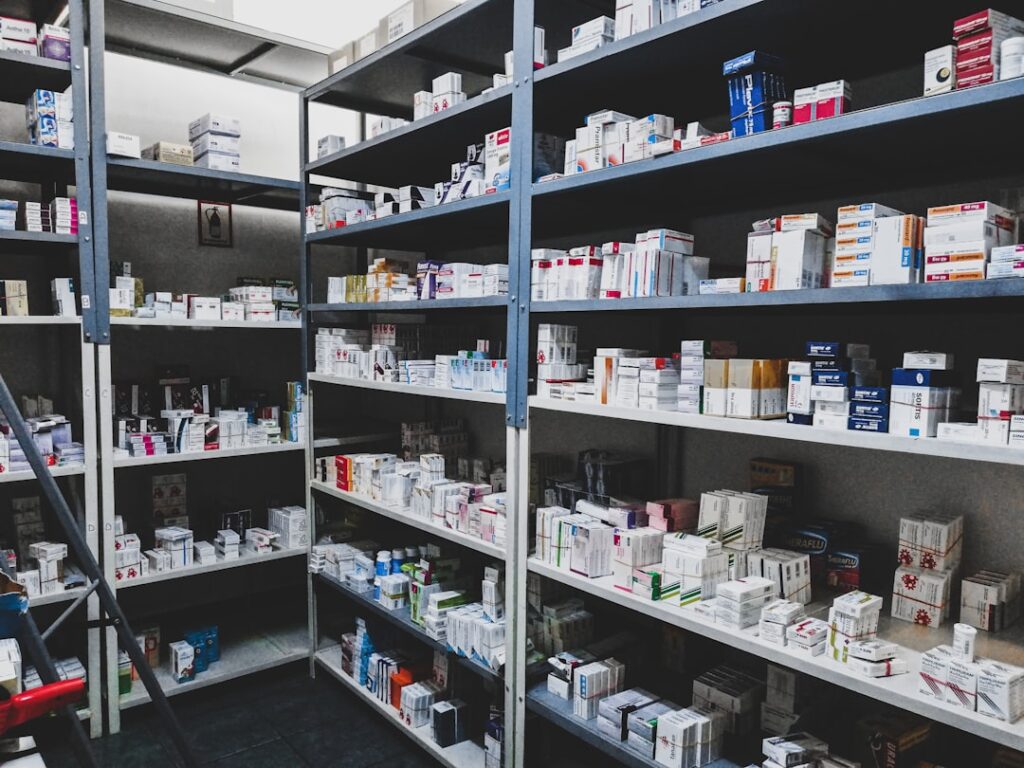
What Should You Do If You Miss a Prescription Dose?
If you realize you’ve missed a dose of your medication, don’t panic—most situations are easier to manage than they first appear. The safest approach is to stay calm and take practical steps based on the type of medication, your personal schedule, and your doctor’s instructions.
Missing a single dose is a common occurrence among local residents, whether due to a disrupted routine, busy family life, or unforeseen events like sudden school closures or power outages in Magna, UT. Addressing the situation thoughtfully helps prevent unwanted effects and supports your ongoing health.
Is It Safe to Simply Take the Missed Dose When You Remember?
In many cases, taking the missed dose as soon as you remember is the right step—unless you’re close to the time for your next scheduled dose. If it’s almost time for your next dose, just skip the forgotten dose and continue with your regular schedule.
Some medications, however, require specific handling:
- For blood thinners, insulin, seizure medications, or transplant anti-rejection drugs, a missed dose may require more careful management.
- Never double up unless the medication instructions specifically allow it.
Always review the prescription label or any information sheet from your pharmacy. Local households often keep these handouts in a kitchen drawer or on the fridge for this reason. If the instructions are unclear, check with a healthcare provider or pharmacist.
What Are the Potential Risks of Skipping a Dose?
The risks depend on your medication and health condition. For most daily medicines (like blood pressure or cholesterol prescriptions), a single missed dose causes little immediate harm, but repeated lapses can weaken the medication’s effectiveness over time. For antibiotics, missing doses may increase the risk of the infection not clearing up fully, or may even make bacteria resistant.
For certain conditions, missing a dose can have more rapid effects—such as:
- Increased blood pressure for those on heart medications
- Higher blood sugar for those on diabetes medicine
- Risk of seizures for some neurological prescriptions
In the community, local doctors may emphasize the importance of routine for chronic conditions managed with medication, especially during winter months or times when roads and transit may be less reliable.
What Should You Avoid Doing After Missing a Dose?
Doubling up on your next dose without specific advice can be unsafe. Taking two doses too close together could lead to side effects or even complications, especially if you’re on medications for heart, thyroid, mental health, or blood thinning.
Avoid:
- Guessing what to do if you can’t remember how long it’s been since the missed dose.
- Stopping your medication entirely without advice, even if you feel fine.
Reliable information saves headaches later. Area pharmacists can help interpret prescription labels if you’re ever unsure.
How Can You Better Remember Your Doses in Daily Life?
Building habits that fit local routines can help Magna households avoid missed doses, especially with the changeable weather and busy school schedules. Consider:
- Using phone alarms or pill organizers, especially for multi-generational families
- Coordinating medication times with daily rituals, such as breakfast or dinner
- Placing medication in a spot you visit regularly, like next to your toothbrush
In homes where more than one family member takes regular medication, color-coded containers or written checklists often help prevent confusion, especially for caregivers supporting elders or children.

Are There Medications Where Missing a Dose Is More Serious?
Certain prescriptions require extra caution, and area residents should be especially diligent with:
- Heart rhythm medications
- Immunosuppressants (for those with organ transplants)
- Anticoagulants/blood thinners
- Epilepsy/seizure medicines
- Certain antidepressants or psychiatric medications
Missing doses for these can trigger adverse effects quickly. If you’re ever unsure, check your medication handout for instructions specific to your situation.
What If You Frequently Miss Doses?
Repeatedly missing medication can make treatment less effective or increase your risk of complications. For chronic prescriptions, developing a system that works for your household is essential. Area residents sometimes find that changes in schedule—like daylight saving time adjustments or summer vacation shifts—throw off routines.
If you find you’re missing doses several times a month, consider adjusting your medication timing to better match your daily habits. For support, patients often discuss concerns at routine checkups rather than waiting for issues to arise.
What Should You Do If You Miss a Dose and Feel Unwell?
If you feel sick after a missed dose—such as unusual dizziness, rapid heart rate, or any symptom you recognize from past experiences—make note of when you last took your medication and seek medical guidance. For emergencies (chest pain, trouble breathing, signs of severe allergic reaction), call 911 right away.
Otherwise, community members usually monitor themselves for a day or two and seek advice if symptoms don’t improve or if they aren’t sure how to proceed.
Can You Make Up for a Missed Dose with Food, Rest, or Other Home Remedies?
There’s no reliable substitute for a missed medication dose. Food and rest may help you feel better, but they don’t replace the action of prescribed medication. Area families sometimes mistakenly believe that extra hydration, herbal teas, or vitamins can “cover” for a forgotten prescription, but these actions do not prevent potential health impacts from skipped doses.
Why Do Local Routines in Magna Sometimes Make Dosing Schedules Hard to Follow?
Community routines in Magna occasionally disrupt medication schedules—especially during snowstorms, power outages, or when accommodating multiple household members’ needs. Shifts in school hours, sports seasons, or outdoor activities can also change mealtime or bedtime patterns, resulting in forgotten doses.
Making medication management part of regular local routines—like coordinating with meal prep or after-school activities—often helps. Area residents also find that keeping extra prescription reminders in their vehicles, backpacks, or work terminals can be useful during longer commutes or erratic days.