

 See My Latest Article on HelloNation
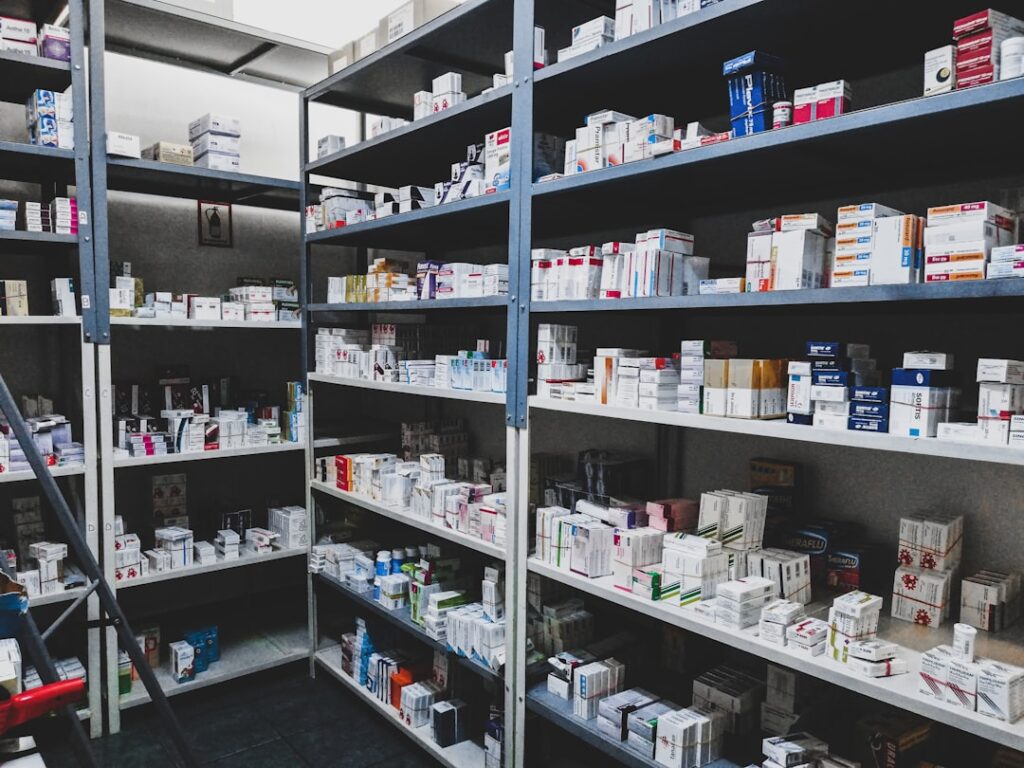
What’s the Basic Difference Between Over-the-Counter and Prescription Medications?
Over-the-counter (OTC) medications are drugs you can buy directly from store shelves, while prescription medications require a healthcare provider’s approval. This difference comes down to regulation, strength, and the need for professional oversight during use.
OTC medicines treat common ailments like headaches, mild allergies, or heartburn. Prescription drugs are for conditions that need closer management, such as infections, blood pressure, or ongoing mental health concerns. Both help maintain health in Magna and require responsible use to avoid risks.
Why Do Some Medications Require a Prescription?
Prescription status is determined by safety, the potential for misuse, and how essential medical oversight is for proper use. Some drugs can cause harm if not dosed properly or monitored, or they may interact with other medicines you’re taking.
For example, antibiotics for infections must be used exactly as prescribed to avoid resistance, and blood pressure medications need professional monitoring for effectiveness and possible side effects. Having a healthcare provider involved helps ensure that these medicines do more good than harm.
What Can Be Bought Over-the-Counter in Magna?
Area households commonly purchase:
- Pain relievers (acetaminophen, ibuprofen)
- Allergy medications (antihistamines)
- Heartburn aids (antacids)
- Cold/flu remedies (cough suppressants, decongestants)
- Topical creams for rashes or pain
These products are considered safe for most adults when used as directed. However, even OTC items may be risky for young children, older adults, or those with chronic conditions—especially if local residents keep winter cold remedies in the house or use allergy pills frequently during high pollen seasons.
How Do Local Regulations Affect Access to Medications?
Utah state law and federal regulations govern which drugs require a prescription and how they’re sold. For example, products containing pseudoephedrine (used for congestion) are kept behind the counter and require ID because of their potential misuse.
In the city, residents may notice that some common drugs available elsewhere may carry extra restrictions due to local or state guidelines. This is particularly relevant during allergy or flu season, when demand spikes for certain items.
What Risks Are Associated With Self-Medicating?
While having easy access to OTC medicines is convenient, self-medicating without guidance can cause unwanted effects:
- Masking serious symptoms (like using cough syrup to hide pneumonia)
- Overdosing by taking more than recommended
- Drug interactions, especially for those on prescription therapies
- Worsening underlying conditions—like using painkillers for recurring headaches that might need professional evaluation

For instance, area residents sometimes use seasonal allergy medication for extended periods or combine different cold remedies without realizing they share the same active ingredients, which can result in accidental overdose.
Can a Medication Change Status From Prescription to OTC?
Yes. Over time, the FDA may approve some prescription drugs for OTC sale if they are shown to be safe with simple labeling and directions. Examples include certain heartburn medications and low-dose allergy pills.
Conversely, some drugs can move from OTC to prescription-only if evidence shows risks that weren’t clear before, though this is less common.
Are Generic and Brand-Name Medications Different in Safety?
Both generic and brand-name versions are considered equal in safety and effectiveness by federal guidelines. Generics are more affordable, making them popular with area households, especially those budgeting for regular medications.
Differences may exist in packaging, appearance, or inactive ingredients. Rarely, a person may react to a filler in one version. If something feels or looks different after a refill, residents should double-check with their pharmacy to confirm it’s the same medicine.
How Can Residents Safely Store and Dispose of Medicines at Home?
Proper storage helps keep medicines effective and out of reach from children or pets. Most should be kept in a cool, dry place, away from sunlight. In the region’s dry climate, avoid storing drugs in areas with temperature swings, like garages or cars.
Expired or unused medicines shouldn’t be flushed or tossed in the trash. Instead, area residents can use approved medication disposal programs—often available through local agencies—or follow FDA guidelines for safe at-home disposal when needed. This helps reduce accidental poisonings and environmental harm.
What Should You Do If Unsure About a Medication?
If there’s any doubt—be it about a drug’s purpose, how to take it, or possible interactions—ask a trusted healthcare provider or pharmacist. Even with widely available medicines, a little extra caution ensures safety, especially for young children, older adults, or anyone managing long-term health issues.