

 See My Latest Article on HelloNation
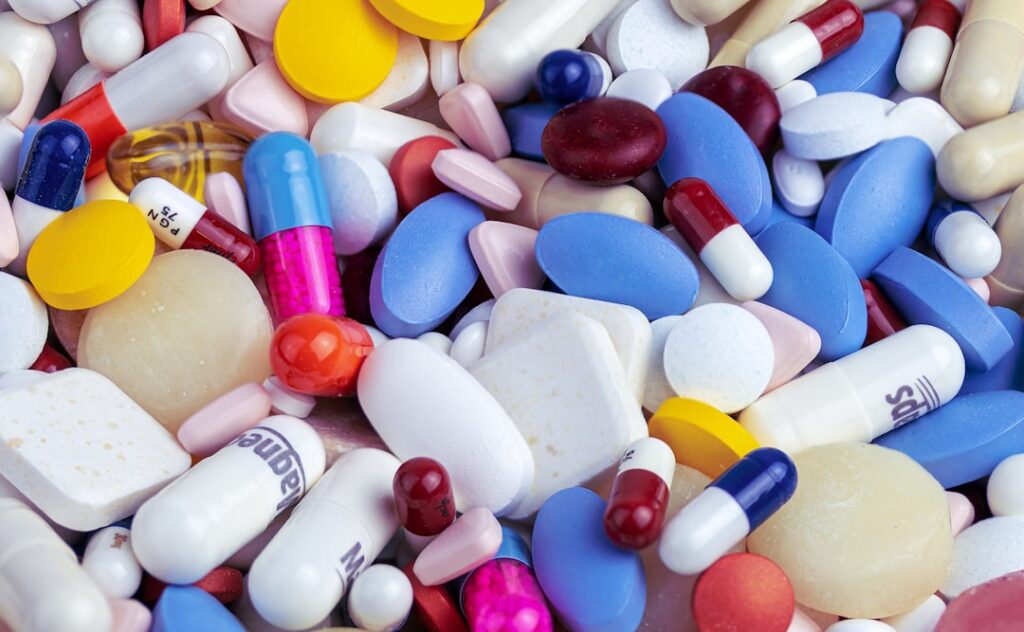
Why Should Unused Medications Be Carefully Disposed Of?
Unused or expired medications should never be kept indefinitely in households, as they can pose health, safety, and environmental risks. Medicines left in cabinets increase the chance of accidental ingestion by children, teens, or pets. Expired medications may become less effective or potentially harmful if taken. Additionally, flushing or improper disposal of drugs can contaminate groundwater and local water systems. Proper disposal safeguards families, prevents misuse, and minimizes environmental impact for all Magna, UT residents.
What Are the Risks of Throwing Medications in the Trash or Flushing Them?
Placing medications in household trash without precautions can result in drugs getting into the wrong hands or being retrieved by animals. Flushing most medicines down the toilet or drain is not recommended in Magna, as wastewater treatment plants are not designed to completely remove pharmaceutical chemicals. These substances can eventually reach the Great Salt Lake ecosystem and groundwater, potentially harming wildlife and water quality. Only a limited number of medications—usually those with high potential for abuse—are considered safe to flush, and this is typically labeled on the container or packaging.
How Can Residents Safely Dispose of Medications at Home?
For many non-hazardous medications, local residents can safely dispose of them using a few simple steps at home:
- Remove any personal information from bottles or packaging to protect your privacy.
- Take pills, tablets, or capsules out of their containers.
- Mix the medicines with an undesirable substance—such as used coffee grounds, dirt, or cat litter—to discourage ingestion by animals or people.
- Place the mixture in a sealed plastic bag or other leak-proof container to contain spills and odors.
- Throw the sealed container into your household trash.
This method helps reduce the risk of someone else finding and using the medication. Liquids or creams can be sealed in their original containers after being taped closed, then placed inside another sealable bag before disposal.
Are Some Medications Unsafe to Dispose of in Household Trash?
Certain drugs—for example, powerful pain medications or controlled substances—may require extra caution due to their potential for abuse or environmental harm. For these medications, check for specific disposal instructions that may appear on the label, patient information sheet, or manufacturer’s website. Never flush or trash sharps, needles, or injectable devices. Instead, place them in a puncture-proof container for safe eventual return at a specialized collection site.
What Should Be Done With Medications During Local Power Outages or Severe Weather?

Magna winters bring occasional power outages that can affect medication storage. If refrigerated medications expire or become unsafe due to lost refrigeration, they should not be consumed. Residents may use the at-home disposal steps described above unless the medication falls into a hazardous waste category. Organize medications during periods of stable power, set reminders for routine clean-outs, and maintain a dedicated place for disposal materials.
Are There Local Guidelines or Regulations for Medication Disposal?
Residents should follow all guidelines set by local waste management and public health authorities. Magna does not allow pharmaceuticals to be included with hazardous waste collection, but non-hazardous pharmaceuticals are permitted in household trash if the steps above are taken. Insulin pens, needles, and inhalers should not go in regular trash or recycling. Bag sharps in puncture-resistant containers for future drop-off days if available.
Residents can watch for municipal collection events, as these sometimes offer expanded options for safe disposal of medications and devices. Local guidelines may change, so regular checks with official city or county waste management updates is wise.
What Are Common Mistakes Residents Make When Disposing of Medications?
Some residents assume medications can safely go in a drain or general trash without any precautions, which increases risk. Others may neglect to remove prescription labels or containers with personal information, raising privacy concerns. Not sealing medications in protective containers can result in accidental exposure to sanitation workers, pets, or wildlife.
Forgetting about old medications and letting them accumulate is also common. Consider setting a reminder on a household calendar to review medicine storage every few months. Store only what’s needed, and dispose of unused or expired products responsibly.
How Can Medication Disposal Help Prevent Substance Misuse and Environmental Harm?
Proper disposal reduces the opportunity for teenagers, visitors, or others in the home to access and misuse leftover controlled substances. By keeping the local environment free of pharmaceutical residue, residents contribute to cleaner water and soil. These actions support not only personal and household safety, but also the wider Magna community and natural surroundings.