

 See My Latest Article on HelloNation
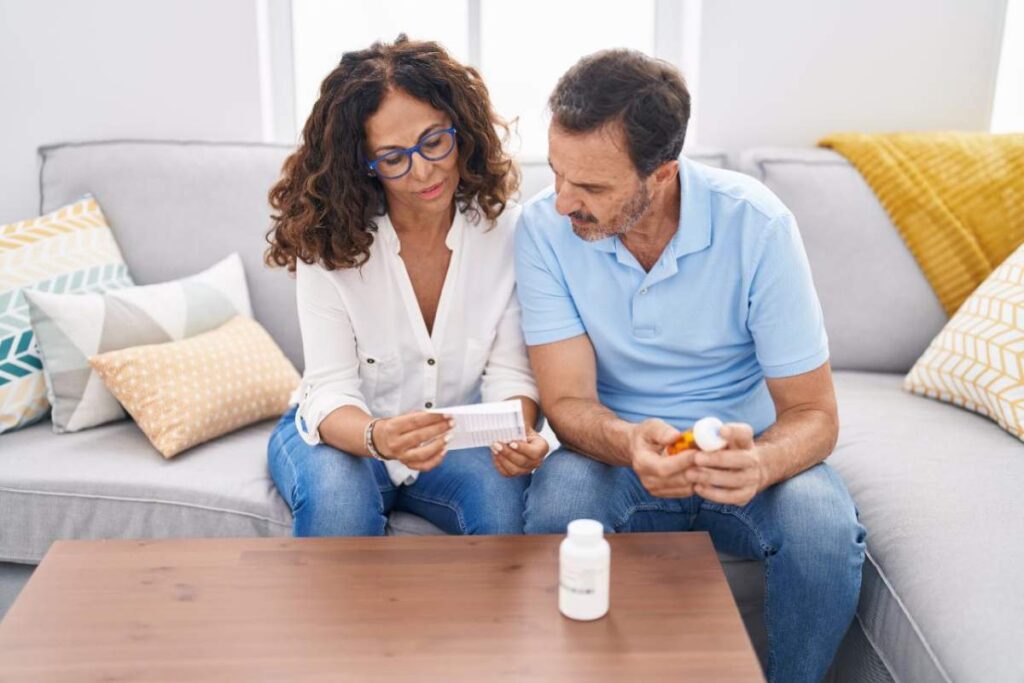
How Does Heat and Humidity Affect Medications?
Heat and humidity can change how medications work, shorten shelf life, or even make them unsafe. Most pills, creams, and liquid medicines are formulated to remain stable at "room temperature," which typically means around 68-77°F (20-25°C) with low humidity. In Magna, UT, summer highs often climb above 90°F and monsoon humidity can spike, especially during certain months. When stored in hot or humid spots—such as a car, garage, or bathroom—medications can degrade, lose potency, or become contaminated more quickly.
Examples of affected medications include:
- Antibiotics, which may lose effectiveness if exposed to high heat.
- Insulin and certain injectables, which can break down if not refrigerated as instructed.
- Tablets and capsules, which may crumble or stick together if exposed to dampness.
Where Are the Best Places to Store Medicines at Home?
Safe storage usually means a cool, dry, dark place out of reach of children and pets, but not all homes in Magna offer ideal conditions. Direct sunlight, areas near kitchen appliances, or bathrooms with frequent steam are not recommended—even if cabinets seem convenient.
Practical alternatives may include:
- Top shelves in bedroom closets, away from heat and light.
- Dedicated bins in climate-controlled rooms, away from windows or heat vents.
- High shelves inside linen closets, especially if the area rarely gets steamy.
In homes with central air, indoor closets tend to stay relatively stable year-round. Residents without air conditioning may need to monitor room temperatures with a simple thermometer and select the coolest, driest interior location.
Is It Safe to Store Medicine in the Bathroom?
Bathrooms, even with fans or windows, are usually not suitable. Steam from showers and inconsistent temperatures can cause pills to absorb moisture or degrade faster. Even child-resistant bottles do not protect against humidity seeping in.
A medicine cabinet in a hallway or bedroom provides much better protection in most local homes, especially during extended hot spells.
What About Storing Medicine in Cars, Sheds, or Garages?
Car interiors, garages, and sheds in Magna often reach extreme temperatures—well over 120°F on sunny summer days. Leaving medications in these environments, even temporarily, can lead to permanent damage.
Examples:
- Inhalers may lose pressure or function unpredictably.
- Tablets may discolor, melt, or change shape.
- Liquid antibiotics might separate or curdle.
If medication must travel, consider small insulated bags or coolers with reusable ice packs for temporary storage.
How Can You Protect Medicine from Humidity in the Summer?
Humidity can enter medication bottles every time they're opened, especially in monsoon season or during swamp cooler use. To reduce risk:
- Close containers immediately after use.
- Leave cotton or desiccant packets inside bottles (unless the pharmacy label says to remove them).
- Do not pour medication into weekly pill organizers until just before use if high humidity is expected.
- Store medications in airtight containers or in resealable bags within their original packaging.
Local households that use evaporative (swamp) coolers may see humidity levels spike inside. A simple hygrometer can help monitor conditions; if indoor humidity often exceeds 60%, extra caution is warranted.
Do Fridge or Freezer Storage Help During Heatwaves?
Only refrigerate (or freeze) medicines if the pharmacy label specifically instructs. Some medications, like certain liquid antibiotics or insulin, require refrigeration—but most do not. Storing pills or other medications in the fridge or freezer when not recommended can cause condensation or physical changes that reduce effectiveness.
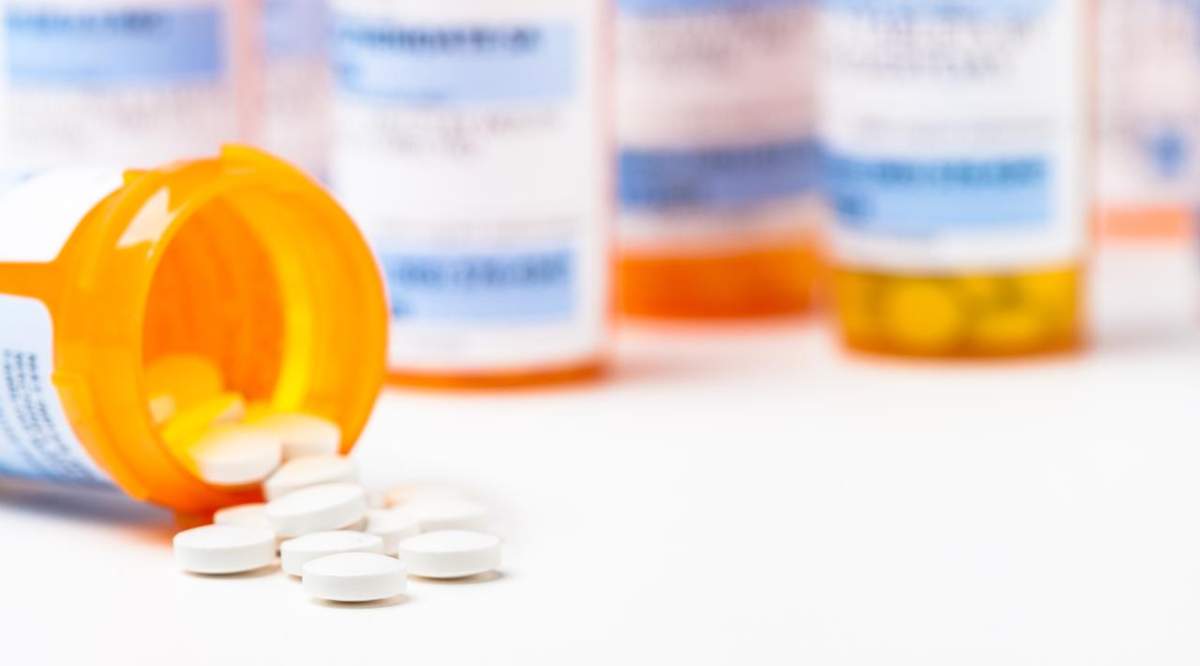
If refrigeration is needed:
- Place medicines in a small, sealed container or zip-close bag to prevent moisture and odors from affecting them.
- Keep them away from the coldest spots in the appliance (not directly next to freezer vents).
What Signs Show Medication May Have Been Damaged by Heat or Humidity?
Heat and moisture damage is not always visible, but some warning signs include:
- Tablets that look warped, cracked, sticky, or discolored
- Capsules that stick together or look unusually shiny or dull
- Liquids that appear cloudy, separated, or have changed color
- Unusual odors from bottles or blister packs
If any of these changes are seen, or if medication has been left in a hot place for more than a brief period, replacement is the safest option.
Additional Safety Measures and Disposal Tips
In addition to storing medicines safely, always:
- Keep all medicine out of sight and reach of children and pets
- Use original containers with labels and safety caps
- Dispose of expired or damaged medications according to local recommendations—never flush or throw in household trash if safer disposal options exist
Some community programs periodically offer safe medication disposal events or kiosks, which help prevent accidental ingestion and protect the water supply from drug contamination.
What Are Common Misconceptions About Summer Medication Storage?
Some local residents believe that storing medication in any cabinet or drawer is sufficient, or that double-bagging bottles solves all humidity problems. However, even minor increases in heat and moisture over weeks can prompt changes in medicine effectiveness, even if a bottle stays tightly closed.
Another misconception is that "child-proof" bottles also protect from the elements, but they do not form airtight seals and cannot block high temperatures or humidity.