

 See My Latest Article on HelloNation
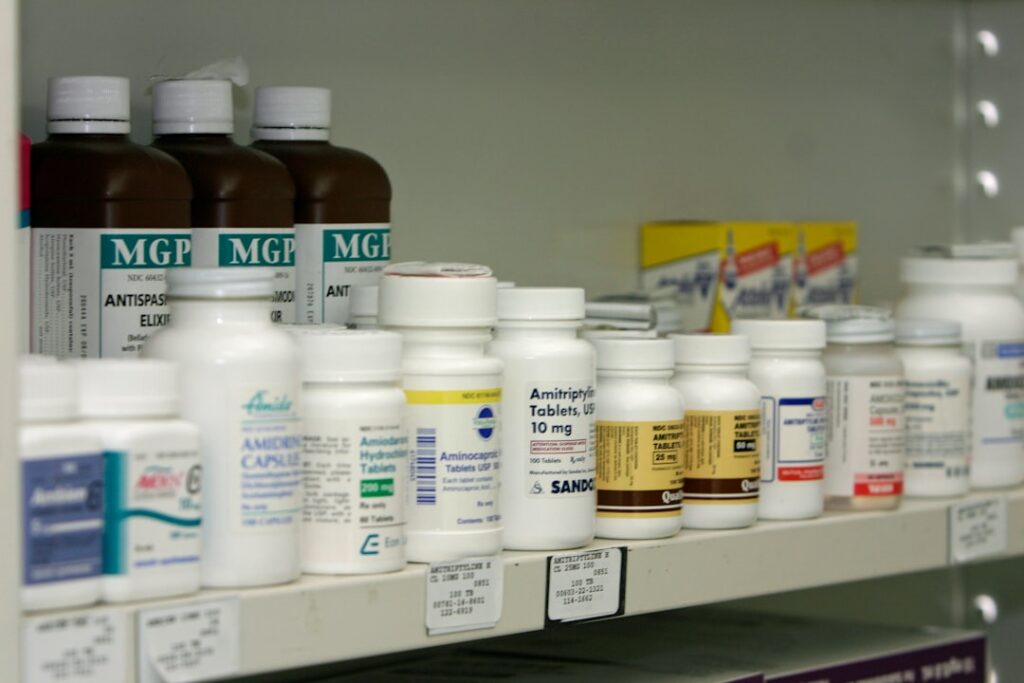
Why Is Reading a Prescription Label Correctly So Important?
Being able to read a prescription label accurately helps prevent medication errors and ensures each dose is taken safely. For residents in Magna, UT, where households often manage prescriptions for both children and older adults—sometimes through the changeable seasons or with varied routines—it’s especially important to avoid confusion. Understanding each part of your prescription label empowers you to manage your health responsibly and know when clarification may be needed.
What Information Appears on a Prescription Label?
A prescription label provides essential details required for safe use. Here’s what you’ll typically find on containers dispensed by a community pharmacy in Magna:
- Patient’s full name: Identifies for whom the prescription is intended, crucial for families or roommates managing multiple medications.
- Name of medication and strength: Double-check this to confirm it matches what you discussed with your healthcare provider.
- Directions for use: Clear instructions (such as "Take one tablet by mouth twice daily") designed specifically for your prescribed dose.
- Prescribing provider’s name: Helpful for tracking which doctor authorized each medication.
- Pharmacy/facility information: Name, address, and sometimes a contact number in case you have questions or concerns.
- Prescription (RX) number: Unique identifier for easy refills and tracking.
- Date filled: Shows when the medication was dispensed, helpful for managing refills and shelf life.
- Expiration date or “discard after”: Indicates how long the medication is safe and effective to use.
- Refills remaining: Tells you if and how many times you can refill this prescription before a new order is needed.
- Special instructions/warnings: Notes like “take with food,” “avoid sunlight,” or “may cause drowsiness” that personalize your medication safety.
Medication bottles in Magna adhere to state regulations for safety, but local weather and lifestyle—think dry winters or busy school schedules—can make adherence easier if you pay attention to these label details.
How Can You Interpret Common Directions and Warnings?
Directions can seem straightforward, but misunderstandings do happen. Phrases like “twice daily” mean about every 12 hours, not two doses taken together. "With food" generally means at mealtimes, and “do not take with dairy” is different from simply avoiding milk at dose time; it may refer broadly to calcium-rich foods.
Warning labels often appear as colored stickers or in bold print, such as:
- “May cause drowsiness”: Use care before driving or tasks requiring alertness.
- “Do not combine with alcohol”: Mixing some medications with alcohol can enhance side effects or risk serious harm.
- “Avoid prolonged sunlight”: Some drugs increase sun sensitivity, a concern during Magna’s bright summers or outdoor work.
- “Shake well”: For suspensions, thorough mixing ensures an even dose in every spoonful.
If unsure, ask your pharmacist to explain these warnings using examples relevant to your daily activities in the community.
What’s the Difference Between the Brand Name and Generic Name?
Both names may appear on your label. The brand name is what the manufacturer markets (like a familiar logo), while the generic name describes the chemical compound. In Magna households with generic substitutions (common due to insurance or supply), focus on the generic name listed; this ensures you receive the correct medication if the pharmacy sources a different manufacturer next refill.
How Do You Handle Refills and Expiration Dates?

Prescription labels list the maximum number of refills and their cutoff dates. Planning ahead prevents gaps—especially during busy periods, holidays, or winter storms that might limit pharmacy access in Magna. Medications past their labeled expiration or “discard after” dates might lose potency or even become unsafe; plan to dispose of expired medications properly and never save for future use unless directed by your healthcare provider.
What Should You Know About Storage Instructions?
Some prescriptions specify storage requirements like “Refrigerate,” “Keep in original container,” or “Store at room temperature.” Adhering to these helps maintain effectiveness. In Magna, homes might experience temperature swings, especially in garages or kitchens. Medications are generally safest inside the main living area, away from direct sunlight, bathroom moisture, or excessive heat/cold.
How Can You Avoid Common Mistakes from Misreading Labels?
Many errors happen when labels are skimmed or misunderstood. Look for these potential pitfalls:
- Confusing multiple people’s medications—especially common in families with similar names.
- Missing a change in dosage from a new prescription.
- Ignoring updates: Sometimes refills come with revised instructions based on the latest provider advice.
- Not noticing lookalike or soundalike medication names.
Organizing your medications and reading all instructions each time you receive or fill a bottle helps prevent costly errors. For those who use pill organizers, take extra care to verify each pill matches your current prescription label before sorting.
What If Something on the Label Seems Wrong or Confusing?
Any time details are unclear—especially dose, name, or instructions—pause before taking the next dose. Local residents can always bring the container to the dispensing pharmacy and ask for clarification. Pharmacies serving the city are required to answer your safety questions and ensure the label matches your provider’s instructions.
Are There Special Label Considerations for Children or the Elderly?
Prescription labels for kids or seniors may include specific instructions, such as exact dosing based on current weight or reminders to use oral syringes for accuracy. On busy school days or with older adults who may have memory challenges, reviewing labels together with a family member or caregiver can support safe use.
How Do Local Regulations Affect Prescription Labeling?
All prescription labels in Magna must follow state regulations for clarity and patient safety. This includes easily readable print, use of both brand and generic names, and safe handling instructions. If language is a barrier or accessible format is needed, ask the pharmacy for available options—state law may require support for patients who need larger print or language assistance.